
Volunteering is a powerful force for good, driven by altruism and a desire to contribute. However, the true impact of volunteer efforts is often magnified when they are strategically aligned with the genuine needs of a community. Without a clear understanding of these needs, even the most well-intentioned efforts can fall short, leading to misdirected resources, duplicated services, or solutions that don't address the root causes of challenges. This underscores the critical importance of community needs assessment as a foundational step for any individual or group aspiring to make a meaningful difference through volunteering.
The Imperative of Needs Assessment
Effective volunteering moves beyond simply offering help; it involves offering the right help, in the right way, at the right time. A comprehensive needs assessment serves as a compass, guiding volunteers toward areas where their skills, time, and passion can yield the greatest benefit. It prevents the common pitfalls of "solution-first" approaches, where volunteers might impose their own ideas of what a community needs, rather than listening to and understanding the community's self-identified priorities. By systematically identifying gaps, challenges, and existing strengths within a community, volunteers can ensure their contributions are not only appreciated but also sustainable and truly impactful.
Methods for Community Needs Assessment
A robust needs assessment employs a variety of methods to gather a holistic view of a community's landscape. Combining qualitative and quantitative data provides a comprehensive understanding:
Direct Engagement and Participatory Approaches
Engaging directly with community members is paramount. This can involve:
- Surveys and Questionnaires: Administered to a broad cross-section of the community to gather quantitative data on perceived needs, priorities, and existing resources.
- Interviews: One-on-one conversations with key informants, such as community leaders, service providers, residents, and local business owners, to gain in-depth qualitative insights.
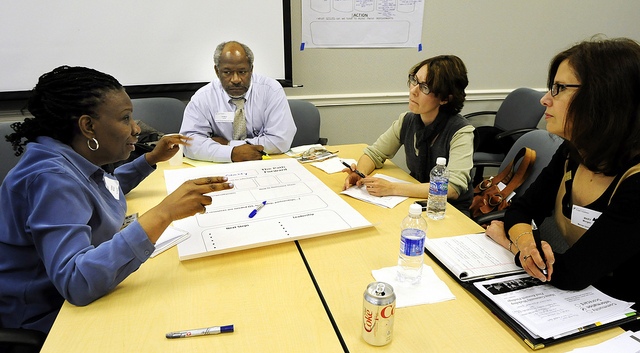
- Focus Groups: Facilitated discussions with small groups of community members to explore specific issues, gather diverse perspectives, and identify common themes and concerns.
- Community Forums/Town Halls: Open meetings that allow a larger number of residents to voice their opinions, share experiences, and contribute to identifying community priorities.
Data Analysis and Research
Leveraging existing data can provide valuable context and identify broader trends:
- Demographic Data: Analyzing census data, population statistics, and socio-economic indicators to understand the community's composition, age distribution, income levels, and educational attainment.
- Existing Reports and Studies: Reviewing reports from local government, non-profits, academic institutions, or public health agencies that may have already identified specific community challenges or assets.
- Service Utilization Data: Examining data on the usage of existing community services (e.g., food banks, health clinics, after-school programs) to identify areas of high demand or unmet need.
Observation and Asset Mapping
Sometimes, understanding comes from direct experience and recognizing existing strengths:
- Community Walks/Windshield Tours: Physically traversing the community to observe its physical environment, infrastructure, public spaces, and signs of community life or neglect.
- Asset Mapping: Identifying and cataloging existing community strengths, resources, and capacities, including local organizations, skilled individuals, cultural groups, and natural assets. This shifts the focus from deficits to potential solutions rooted in local strengths.
Partnerships and Collaboration
Working with established entities can streamline the assessment process and build trust:
- Consulting Local Organizations: Partnering with existing non-profits, schools, faith-based organizations, or community centers that already have deep roots and understanding of local needs.
- Engaging Local Leaders: Collaborating with elected officials, neighborhood association leaders, or respected elders who possess invaluable institutional knowledge and community trust.
Translating Assessment into Actionable Choices

Once a thorough needs assessment is complete, the next crucial step is to translate these findings into informed, impactful volunteer choices. This involves a process of prioritization and alignment:
Identifying Gaps and Strengths
Clearly delineate the identified needs and the existing resources or assets that can be leveraged. Understanding both deficits and capacities is essential for sustainable solutions.
Aligning Skills with Needs
Volunteers should critically assess their own skills, interests, and availability against the identified community needs. A volunteer with expertise in education might be best suited for tutoring programs, while someone with construction skills could contribute to housing initiatives. The goal is to find the optimal match where personal strengths can address specific community vulnerabilities.
Prioritizing Impact
Not all needs can be addressed simultaneously. Volunteers, often in collaboration with community partners, should prioritize needs based on urgency, severity, and the potential for their efforts to create a significant, lasting impact. Consider which interventions will have a ripple effect or address foundational issues.
Long-term vs. Short-term Engagement
Determine whether the identified needs require sustained, long-term commitment or can be effectively addressed through shorter, project-based volunteering. Both types of engagement are valuable, but understanding the nature of the need helps in planning and resource allocation.
Benefits of a Needs-Driven Approach
Adopting a needs-driven approach to volunteering yields numerous benefits, enhancing the effectiveness and sustainability of efforts:
- Increased Impact and Sustainability: By addressing genuine, identified needs, volunteer efforts are more likely to create lasting positive change and avoid wasted resources.
- Enhanced Volunteer Satisfaction: Volunteers feel more fulfilled when they know their contributions are directly addressing critical issues and making a tangible difference.
- Stronger Community Relationships: A participatory assessment process builds trust and fosters stronger relationships between volunteers and the communities they serve, promoting a sense of shared ownership.
- Resource Optimization: Resources (time, money, skills) are allocated more efficiently when directed towards areas of greatest need, maximizing their potential.
- Empowerment of Community Members: The process of needs assessment itself can empower community members by giving them a voice in identifying their own challenges and co-creating solutions.
In conclusion, impactful volunteer choices stem from a deep, empathetic understanding of community needs. By investing time and effort in comprehensive needs assessment, volunteers can move beyond good intentions to deliver targeted, effective, and sustainable support. This strategic approach ensures that every hour volunteered and every resource contributed genuinely serves to build stronger, more resilient communities.