

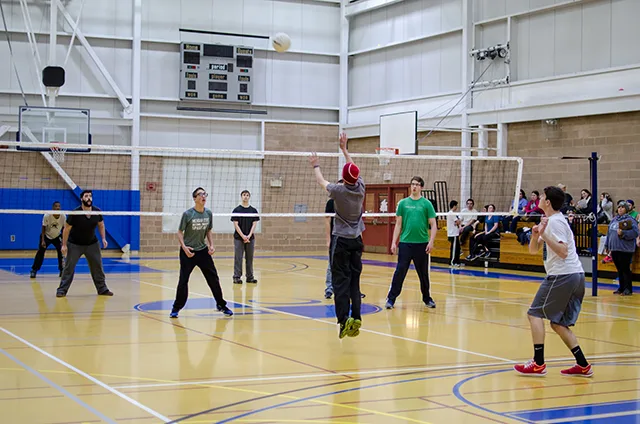
Sports, at their core, are a microcosm of life itself, replete with triumphs and, inevitably, setbacks. While the thrill of victory often captures the headlines, it is in the face of defeat, injury, or underperformance that the true character of an athlete, and indeed a person, is forged. Far from being mere physical contests, athletic endeavors serve as powerful training grounds for developing resilience – the crucial ability to bounce back from adversity, adapt to change, and persist in the pursuit of goals despite obstacles.
The Inevitability of Adversity in Athletics
Every athlete, regardless of skill level or sport, will encounter moments of profound challenge. A star player might suffer a career-threatening injury, a team might endure a heartbreaking losing streak, or an individual might face a prolonged slump in performance. These setbacks are not anomalies but inherent components of the sporting journey. They test physical limits, mental fortitude, and emotional resolve. Unlike many other life experiences, sports often provide immediate and unambiguous feedback on performance, making failures acutely felt. This direct confrontation with imperfection, however, is precisely where the seeds of resilience are sown.
Developing Mental Fortitude Through Failure
The sting of a loss or the frustration of a missed opportunity can be powerful motivators. When athletes fail, they are compelled to analyze their performance, identify weaknesses, and strategize for improvement. This process of self-reflection and critical analysis is fundamental to growth. It teaches them that failure is not an endpoint but a data point, an opportunity to learn and refine their approach. Overcoming the emotional disappointment of defeat, maintaining focus, and committing to renewed effort builds mental toughness. This mental fortitude, honed through repeated exposure to and recovery from setbacks, becomes a cornerstone of their psychological strength, extending far beyond the athletic arena.
The Role of Persistence and Discipline

Resilience in sports is also deeply intertwined with persistence and discipline. Recovering from an injury, for instance, demands rigorous rehabilitation, often involving painful exercises and a long, arduous journey back to full fitness. Similarly, improving a skill or overcoming a performance plateau requires countless hours of practice, repetition, and unwavering commitment. These experiences instill a profound understanding that progress is rarely linear and often requires sustained effort in the face of discomfort or discouragement. Athletes learn to embrace the process, to trust in their training, and to maintain a long-term perspective even when immediate results are not apparent. This cultivated discipline and persistence are invaluable assets for navigating any long-term challenge in life.
Team Dynamics and Shared Resilience
In team sports, the development of resilience takes on an additional dimension: collective strength. When a team faces adversity, whether it's a significant deficit in a game or a series of losses, the ability to rally together, support one another, and collectively strategize for a comeback is paramount. Teammates learn to rely on each other, to offer encouragement during individual struggles, and to share the burden of setbacks. This shared experience fosters empathy, communication skills, and a sense of collective responsibility. The resilience developed within a team context teaches individuals how to contribute to a larger goal, how to lead and follow, and how to find strength in unity, lessons that are highly transferable to professional and community settings.
Beyond the Field: Life Lessons in Resilience
The resilience cultivated through sports is not confined to the playing field; it profoundly impacts an individual's ability to navigate the broader challenges of life. The athlete who has learned to cope with a tough loss can better handle academic rejection or professional setbacks. The individual who has painstakingly recovered from an injury understands the value of perseverance in overcoming personal health issues. The team player who has learned to collaborate under pressure is better equipped for complex group projects or workplace challenges. Sports provide a safe, structured environment to repeatedly practice the skills of coping, adapting, and persisting, equipping individuals with a robust psychological toolkit for the inevitable ups and downs of existence.
In conclusion, the true value of sports extends far beyond the final score or the glint of a medal. It lies in the profound lessons learned when faced with adversity. By providing a consistent platform for encountering and overcoming setbacks, sports serve as an unparalleled incubator for resilience. This vital trait, forged in the crucible of competition and challenge, empowers individuals not only to excel in their chosen sport but also to thrive in the face of life's inevitable difficulties, proving that the most enduring victories are often won not on the scoreboard, but within the spirit.