
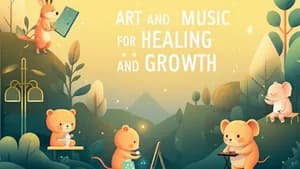
Imagine a classroom where every student not only grasps complex academic concepts but also genuinely connects with their peers, understanding diverse viewpoints and offering support. Imagine a home where family members communicate with profound understanding, even across generations. This isn't just a hopeful vision; it's a tangible outcome when we intentionally cultivate empathy. As someone who has spent decades nurturing young minds, I've seen firsthand that empathy isn't just a 'nice-to-have' trait; it's a foundational skill for academic success, healthy relationships, and thriving in an interconnected world. Empathy, the ability to understand and share the feelings of another, allows us to step into someone else's shoes, to see the world through their eyes, and to respond with compassion. While often thought of as an innate trait, empathy is, in fact, a muscle that can be strengthened and developed, much like any other skill. And among the most potent tools for this cultivation are the universal languages of art and music.
From the moment we are born, humans respond to patterns, colors, and sounds. These are not mere distractions; they are fundamental pathways to understanding ourselves and the world around us. Art and music offer unique avenues for exploration, not just of technical skills, but of emotional landscapes. They invite us to look deeper, listen more closely, and feel more intensely, thereby expanding our capacity for connection. This article will explore practical strategies for students and parents to harness the power of visual art and music to deepen empathy, foster emotional resonance, and build stronger interpersonal bonds. You'll discover that these aren't just extracurricular activities; they are essential components of a holistic education that prepares you not just for a career, but for a rich and meaningful life.
The Canvas of Connection: Visual Art as a Mirror
Visual art, whether it’s a painting, a sculpture, a photograph, or even a simple doodle, provides a powerful lens through which to explore human experience and emotion. When you look at a piece of art, you're not just seeing colors and shapes; you're encountering the artist's perspective, their feelings, and often, a reflection of their world. This act of observation is the first step towards empathetic understanding. Consider a portrait: what story does the artist tell with their brushstrokes? What emotions do you detect in the subject’s eyes or posture? Is it joy, sorrow, defiance, or quiet contemplation? By actively engaging with these questions, you begin to imagine the subject’s life, their triumphs, and their struggles. This isn't just passive viewing; it's an active exercise in imaginative empathy. Visiting a local museum or gallery, even online, can be a profound experience. Instead of rushing through exhibits, try selecting just one or two pieces that pique your interest. Stand before them, observe every detail, and ask yourself: What do I see? What do I feel? What might the artist have felt when creating this? What story does this piece tell, and how does it relate to experiences in my own life or the lives of others I know?
Beyond observation, creating art offers an even deeper dive into empathetic understanding. When you pick up a pencil or a paintbrush, you're given a voice to express your own inner world, especially feelings that might be difficult to put into words. I've seen countless students, particularly those who struggle with verbal expression, find immense relief and clarity simply by sketching a tangled mess of lines and colors to represent their frustration, or by painting a serene landscape to visualize peace. This act of externalizing internal feelings is the first critical step toward self-empathy – understanding and validating your own complex emotions. And, crucially, it's difficult to truly empathize with others if you don't first understand your own emotional landscape. A practical exercise for you is to start an