
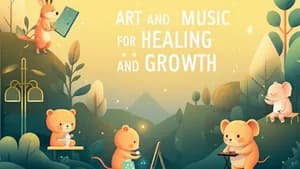
Welcome, students and parents, to a conversation about something truly profound: the power of art and music to transform lives, especially in our later years. As someone who has spent decades observing the intricate dance of learning and growth, I’ve witnessed firsthand how creative expression isn't just a hobby; it’s a vital pathway to well-being, purpose, and connection at every stage of life. While our focus today is on older adults, the principles we'll explore – of creativity enhancing memory, fostering connection, and building a sense of purpose – are universal. You might find that the very strategies that bring joy and meaning to our elders can also profoundly impact your own learning journey and personal development. Imagine art and music not just as subjects in school, but as tools for understanding yourself, the world, and the rich tapestry of human experience. This article will delve into how these powerful mediums empower older adults to engage in life review, share personal stories, and create lasting legacies, showcasing how creative expression enhances connection, purpose, and quality of life. And as we explore, I encourage you to consider how these insights might inspire your own approach to learning and life.
The Canvas of Memory: Art as Life Review
Think for a moment about a challenging concept you're trying to grasp in history or science. Sometimes, just reading about it isn't enough, is it? You might draw a diagram, create a mind map, or even sketch out a scene to help it click. This isn't just a study trick; it's a fundamental way our brains process and retain information. For older adults, visual arts offer an incredible avenue for a similar, yet deeper, process: life review. Engaging with painting, drawing, sculpture, or collage provides a tangible way to revisit memories, emotions, and significant life events. It’s like creating a visual diary of their journey. A simple box of watercolors can unlock stories that words alone might struggle to convey. Perhaps they paint a landscape that reminds them of their childhood home, or they sculpt a figure representing a pivotal moment in their career. The act of creating gives form to their inner world, allowing them to explore complex feelings about loss, joy, resilience, and transformation.
I’ve seen how a senior who rarely speaks about their past can, given a canvas and some paints, produce an abstract piece that, when discussed, reveals profound insights into their experiences. It's not about artistic skill; it's about the act of expression. They might create a "memory quilt" from old fabrics, each patch representing a different life chapter, or a "legacy wall" collage using photographs and mementos. These projects aren't just pretty; they are powerful tools for narrative construction. They help organize scattered memories into a cohesive life story, fostering a sense of accomplishment and clarity. For you, the student, consider this: when you’re grappling with a complex literary character, try drawing them, or creating a visual timeline of their journey. When studying a historical period, make a collage of images and symbols that represent its essence. You’ll find that engaging the visual and kinesthetic parts of your brain deepens your understanding and retention, much as it helps our elders solidify their life narratives. Visualizing concepts isn’t just for art class; it’s a potent learning strategy that transforms abstract ideas into concrete representations, making them easier to recall and reflect upon, thereby enriching your own personal "life review" of learned material.
The Symphony of Stories: Music as a Bridge to the Past
Just as a visual image can transport us, a single note of music can unleash a flood of memories and emotions. For older adults, music is an unparalleled conduit to their past. The melodies and lyrics of songs from their youth are often deeply embedded in their minds, even when other memories fade. Encouraging engagement with music – whether through listening, singing, or even creating – becomes a profound form of "reminiscence therapy." Imagine asking an elder to curate their "life soundtrack" – a playlist of songs that mark significant milestones: their wedding song, a tune popular during their first job, or a hymn from their childhood. Each song becomes a trigger for stories, emotions, and connections. They might recall specific details about events, people, and feelings associated with that music.
Beyond passive listening, active musical engagement offers even greater benefits. Simple rhythm instruments, group singing sessions, or even basic songwriting workshops can awaken dormant creative impulses. I’ve seen individuals who haven't spoken much in years suddenly light up and sing along to a familiar tune, their voices strong and clear. Some might even try composing simple melodies or writing new lyrics to old songs, infusing them with their personal narratives. This process isn't just about entertainment; it’s about accessing long-term memory, stimulating cognitive function, and fostering emotional expression. For you, the student, consider the power of music in your own learning. Can a specific type of instrumental music help you focus during study sessions? Have you ever tried setting complex facts to a simple jingle or rhythm to make them easier to memorize? From using mnemonic devices that incorporate rhythm to creating "study playlists" that energize or calm you, music can be a powerful, often underestimated, ally in your academic pursuits. Just as elders find solace and connection in the songs of their past, you can harness music to enhance your present learning and create a richer, more vibrant educational experience. The rhythm of your studies, much like the rhythm of life, can be greatly enhanced by a carefully chosen melody.
Crafting Your Legacy: Creating Tangible Expressions
One of humanity's deepest desires is to leave a mark, to know that our lives mattered. For older adults, art and music provide incredibly potent means to craft a lasting legacy, turning intangible memories into tangible expressions. This isn't about professional-level artistry; it's about the act of creating something that embodies their experiences, values, and wisdom, something that can be shared with future generations. Imagine a senior citizen, perhaps someone who has lived through war or significant social change, creating a series of paintings depicting scenes from their life, or composing a simple song that encapsulates their philosophy. These creations become more than just art pieces; they become historical documents, personal narratives, and cherished heirlooms.
Examples abound: an elder might write and illustrate a children's book based on their childhood adventures, or record their oral histories accompanied by a chosen musical score. Some participate in community art projects, creating murals that tell the story of their neighborhood's past. Others might join a choir that performs songs specifically chosen to reflect the diverse experiences of its members. The very act of engaging in these creative endeavors provides a profound sense of purpose and accomplishment. It affirms their value and reinforces the belief that their experiences are worth sharing. For you, the student, this concept of "legacy" applies directly to your learning. Every essay you write, every presentation you deliver, every project you complete is, in a way, a tangible expression of your understanding and effort. Don't just see them as assignments to be completed; view them as opportunities to craft your own intellectual legacy. When you pour your creativity into a science fair project, or when you passionately debate a historical event, you're not just earning a grade; you're building a body of work that demonstrates your growth and capabilities. Learning to express your knowledge creatively – whether through a compelling narrative, a striking visual, or an engaging presentation – ensures that your learning isn't just fleeting information, but a lasting contribution, much like the beautiful legacies our elders create through their art and music.
The Power of Connection: Building Bridges Across Generations
Perhaps one of the most heartwarming aspects of art and music for older adults is their unparalleled ability to foster connection – not just with their own past, but with others in the present, especially across generations. Loneliness and isolation can be significant challenges in later life, but shared creative endeavors can shatter these barriers. Picture a grandparent teaching a grandchild how to paint, sharing stories about their own art teachers from decades ago. Imagine a school choir visiting a senior center, and before long, the residents are tapping their feet, singing along, and even sharing their own favorite songs from their youth. These interactions are incredibly rich. They build empathy, bridge generational gaps, and create new, meaningful relationships.
Collaborative art projects are particularly powerful. An intergenerational storytelling workshop where elders share their tales, and students help illustrate them, creates a beautiful synergy. A community band or choir that welcomes members of all ages allows for mentorship, shared passion, and the joy of creating something beautiful together. Through these shared experiences, young people gain invaluable perspectives, wisdom, and a deeper understanding of history, while older adults experience renewed purpose, social engagement, and the joy of passing on knowledge and skills. For you, the student, this highlights the profound value of engaging with different age groups in your community. Consider how interviewing an older family member for a history project could not only deepen your understanding of the past but also forge a stronger bond. Could you volunteer to read to residents at a local nursing home, perhaps discussing the themes in the books together? Or perhaps teach a simple skill, like using a tablet, in exchange for hearing their life stories? These interactions aren't just acts of kindness; they are potent learning experiences that cultivate empathy, communication skills, and a broader worldview. Just as art and music connect disparate notes into a harmonious melody, engaging across generations through creative expression weaves a richer, more vibrant tapestry of community and personal growth for everyone involved. The lessons learned in these shared spaces are often the ones that stay with us the longest.
Nurturing Well-being: The Holistic Impact of Creative Engagement
Beyond legacy and connection, the consistent engagement with art and music offers profound benefits for the overall well-being of older adults, impacting cognitive, emotional, and even physical health. Think about the focus and problem-solving skills required when learning a new piece of music or deciding on the composition of a painting. These activities are powerful forms of cognitive exercise, helping to maintain mental agility and memory recall. The satisfaction derived from completing a creative project, no matter how small, boosts self-esteem and provides a vital sense of accomplishment. I have observed countless times how an individual who may struggle with daily tasks finds renewed confidence and joy when engrossed in a creative pursuit, demonstrating remarkable focus and resilience.
Furthermore, creative expression provides a healthy outlet for emotions. Art and music can be therapeutic, allowing individuals to process grief, joy, anger, or love in a non-verbal way. A quiet session with a sketchbook can be as cathartic as a long conversation, allowing for introspection and emotional release. Group art or music sessions also combat social isolation, fostering a sense of community and belonging. The laughter shared during a sing-along or the camaraderie built during a collaborative mural project are invaluable for emotional well-being. Physically, engaging in creative activities, from holding a paintbrush to conducting a choir, can improve fine motor skills, coordination, and even reduce stress. The rhythmic movements involved in some art forms can be gently invigorating. For you, the student, consider incorporating creative outlets into your own routines, especially during stressful academic periods. A quick sketch break, listening to your favorite music, or even simply doodling in the margins of your notes can reduce anxiety, improve focus, and give your brain a much-needed reset. Engaging in creative activities isn't just a leisure pursuit; it's a holistic investment in your mental, emotional, and even physical health, providing a balance that is crucial for sustained learning and well-being, both now and as you journey through life.
Conclusion
As we conclude our exploration, I hope you've come to see that art and music are far more than just pleasant pastimes. For older adults, they are essential lifelines, empowering them to review their lives, share their unique stories, and build enduring legacies. They are powerful catalysts for connection, bridging generations and fostering a profound sense of purpose and belonging. The benefits extend across cognitive, emotional, and physical domains, enhancing overall quality of life in truly meaningful ways.
And for you, the student, the lessons here are equally profound. The very principles that empower our elders – the power of creative expression to enhance memory, foster connection, and build purpose – are tools you can wield in your own learning journey. Embrace visual learning, leverage the power of music for focus and recall, understand that your academic projects are your own emerging legacies, and seek out intergenerational connections to enrich your understanding of the world. Just as a masterful conductor brings individual instruments together to create a beautiful symphony, you can harmonize different learning approaches, including creative ones, to compose a richer, more fulfilling educational experience. Let curiosity be your guide, creativity your compass, and never underestimate the transformative power of a paintbrush or a melody, no matter your age. The journey of learning and growth is a lifelong masterpiece, waiting for you to contribute your unique strokes and notes.