

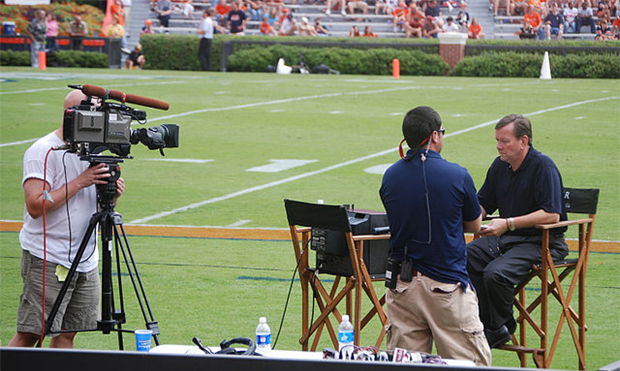
Sports journalism, at its core, is about storytelling. It captures the triumphs, failures, human drama, and strategic intricacies of athletic competition. However, unlike mere fan commentary, professional sports journalism carries a profound responsibility: to craft truthful narratives. This imperative demands adherence to a rigorous ethical framework, ensuring that the stories told are not only engaging but also accurate, fair, and independent. The integrity of sports journalism directly impacts public trust, the perception of athletes, and the very spirit of the games themselves.
The Pillars of Ethical Reporting
The foundation of ethical sports journalism rests on several key principles, mirroring those found in general journalism but often complicated by the unique emotional intensity and commercial pressures of the sports world.
Accuracy and Objectivity: The primary duty of any journalist is to report facts accurately. In sports, this means correctly quoting athletes and coaches, verifying statistics, and describing events as they occurred without embellishment or distortion. Objectivity, while often aspirational, requires journalists to strive for impartiality, presenting all relevant sides of a story and avoiding personal biases that could sway the narrative. This is particularly challenging when covering teams or athletes with whom a journalist might have a long-standing relationship or personal affinity.
Fairness and Impartiality: Ethical reporting demands fairness to all subjects. This involves giving individuals the opportunity to respond to accusations, avoiding character assassination, and ensuring that reporting does not unfairly damage reputations. Impartiality means treating all teams, athletes, and stakeholders equally, regardless of their popularity or market value. It also extends to the language used, avoiding loaded terms or stereotypes that could prejudice readers.
Independence: Journalists must maintain independence from the subjects they cover, as well as from commercial and political pressures. This means avoiding conflicts of interest, such as accepting gifts from teams, endorsing products, or having financial stakes in sports organizations. Independence is crucial for ensuring that reporting is driven by public interest rather than personal gain or external influence. The rise of team-affiliated media and brand partnerships presents a continuous challenge to this principle.
Transparency: When a journalist's objectivity might be questioned, or when a potential conflict of interest exists, transparency is key. Disclosing relevant affiliations or potential biases allows the audience to evaluate the information presented with full context. This builds trust and reinforces the journalist's commitment to ethical practice.
Navigating Common Ethical Dilemmas
The dynamic nature of sports often throws up complex ethical quandaries that test a journalist's commitment to these principles.
Conflict of Interest: One of the most pervasive challenges is the conflict between a journalist's professional duty and personal loyalties or financial interests. A reporter covering a team they grew up supporting, or one whose owner is a major advertiser, faces immense pressure. Ethical practice dictates that such conflicts must be managed, either through disclosure, recusal from specific assignments, or a steadfast commitment to prioritizing journalistic integrity above all else.
Privacy vs. Public Interest: Athletes are public figures, but they are also individuals entitled to a degree of privacy. Determining where the line lies between legitimate public interest in an athlete's life and intrusive reporting on private matters is a constant struggle. Ethical journalists must weigh the relevance of personal information to an athlete's performance or public role against the potential harm caused by its disclosure, always erring on the side of respect for privacy unless there is a clear and compelling public interest justification.
Sensationalism and Hype: The competitive nature of media, especially in the digital age, can incentivize sensationalism. Crafting a truthful narrative means resisting the urge to exaggerate, invent drama, or prioritize clickbait headlines over factual reporting. While sports are inherently dramatic, ethical reporting focuses on the genuine drama of competition and human endeavor, not manufactured controversy.
Source Confidentiality and Verification: Protecting confidential sources is a cornerstone of journalism, enabling the uncovering of important stories. However, this must be balanced with the need to verify information rigorously. Unsubstantiated rumors, especially those from anonymous sources, can quickly damage reputations and spread misinformation. Ethical journalists must employ multiple sources, cross-reference facts, and be transparent about the limitations of their information.
Gambling and Integrity: The proliferation of sports betting has introduced new ethical complexities. Journalists must be acutely aware of how their reporting might influence betting markets and avoid any actions that could be perceived as insider trading or manipulating outcomes. Maintaining a clear separation between sports coverage and gambling promotion is vital to preserve the integrity of both journalism and sport.
The Digital Age: Speed, Social Media, and Misinformation
![2025 Best Online Sports Journalism Degrees [Bachelor's Guide]](https://www.mydegreeguide.com/wp-content/uploads/2022/09/best-online-sports-journalism-degrees.jpg)
The digital landscape has amplified both the opportunities and the challenges for sports journalism ethics. The demand for instant updates can compromise the time needed for thorough verification, leading to the rapid spread of unverified information or even outright misinformation. Social media, while a powerful tool for engagement, blurs the lines between personal opinion and professional reporting, and can expose journalists to intense public scrutiny and harassment. Ethical practice in this environment requires heightened vigilance, a commitment to fact-checking before publishing, and a clear distinction between personal social media presence and professional journalistic output.
Building and Maintaining Trust
Ultimately, the goal of ethical sports journalism is to build and maintain trust with the audience. When narratives are crafted truthfully, audiences can rely on the information presented, understand the nuances of the sports world, and form informed opinions. This trust is fragile and can be easily eroded by a single lapse in ethical judgment. By consistently upholding principles of accuracy, fairness, independence, and transparency, sports journalists not only elevate their profession but also contribute to the integrity and enjoyment of sports for everyone.
In a world saturated with information, the ethical sports journalist stands as a crucial arbiter of truth, ensuring that the stories of athletic achievement, human struggle, and the spirit of competition are told with the honesty and integrity they deserve. The commitment to crafting truthful narratives is not merely a professional obligation; it is a vital service to the public and to the enduring legacy of sport itself.