


Academic success is a cornerstone of student development, yet the journey through education often presents challenges that can feel isolating. Academic support school clubs emerge as powerful solutions, transforming individual struggles into collective triumphs. These clubs are more than just study groups; they are vibrant communities where students collaborate, share knowledge, and build essential skills, fostering an environment where every member can thrive.
The Multifaceted Benefits of Collaborative Learning
Academic support clubs offer a wealth of advantages that extend beyond mere grade improvement. They cultivate a holistic learning experience, benefiting students academically, socially, and emotionally.
- Enhanced Academic Performance: Through peer tutoring, group discussions, and shared problem-solving, students gain deeper understanding of complex subjects. Explaining concepts to others reinforces one's own knowledge, while receiving help from peers can demystify difficult topics in a relatable way.
- Development of Essential Skills: Participation in these clubs hones critical thinking, communication, and problem-solving abilities. Students learn effective study strategies, time management, and how to articulate their thoughts clearly. For those taking on tutoring roles, leadership, empathy, and instructional skills are significantly developed.
- Increased Confidence and Reduced Stress: A supportive club environment provides a safe space for students to ask questions without fear of judgment. Overcoming academic hurdles with peer support builds self-esteem and reduces the anxiety often associated with challenging coursework. Knowing there's a network of support can make academic pressure feel more manageable.
- Fostering a Sense of Community and Belonging: These clubs create strong bonds among students who share common academic goals. They break down social barriers, encourage mentorship, and build a sense of collective responsibility for each other's success, combating feelings of isolation.
- Leadership and Service Opportunities: Students who excel in certain subjects can step into leadership roles, guiding their peers and contributing positively to the school community. This experience is invaluable for personal growth and future endeavors.
Diverse Models of Academic Support
Academic support clubs can take various forms, each tailored to address specific needs within the student body. Their adaptability allows schools to implement programs that best suit their unique context.
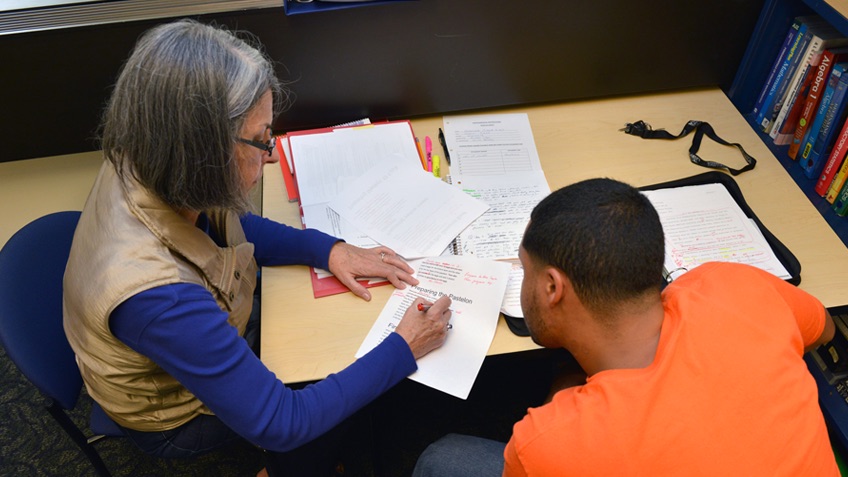
- Peer Tutoring Programs: These are perhaps the most common, pairing students who need help with those who have demonstrated proficiency in a particular subject. Tutors often receive training in effective teaching methods, while tutees benefit from explanations delivered in a student-friendly manner.
- Subject-Specific Study Groups: Clubs dedicated to a single subject, such as a "Mathletes Club," "Science Olympiad Prep," or "Creative Writing Workshop," allow students with shared interests to delve deeper into topics, prepare for competitions, or work on collaborative projects.
- Study Skills and Test Preparation Workshops: These clubs focus on meta-learning, teaching students how to learn more effectively. Topics might include note-taking strategies, active reading, time management, memory techniques, and specific test-taking strategies for standardized exams.
- Homework Help Sessions: Providing a structured time and place where students can receive assistance with daily assignments ensures that no student falls behind due to unanswered questions or lack of understanding.
Establishing and Sustaining Effective Clubs
Creating a successful academic support club requires thoughtful planning and ongoing commitment from both students and faculty.
- Identify Needs: Begin by assessing where students struggle most. Surveys, teacher feedback, and academic performance data can pinpoint subjects or skills requiring additional support.
- Secure Faculty Sponsorship: A dedicated teacher or staff member is crucial for guidance, logistical support, and ensuring the club aligns with school policies and academic standards.
- Recruit and Train Members: Actively seek out students who are both willing to offer help and those who could benefit from it. For peer tutors, provide training on effective communication, active listening, and different teaching approaches.
- Establish Structure and Schedule: Consistent meeting times, clear objectives for each session, and a well-defined leadership structure contribute to the club's stability and effectiveness.
- Promote and Publicize: Make sure all students are aware of the club's existence, its purpose, and how they can participate. Utilize school announcements, posters, and social media.
- Foster an Inclusive Environment: Ensure the club is welcoming to all students, regardless of their current academic standing. Emphasize that seeking help is a sign of strength, not weakness.
Maximizing Impact for Lasting Success
To ensure academic support clubs deliver their full potential, continuous evaluation and adaptation are key. Encouraging student leadership, regularly soliciting feedback, and fostering strong communication with teachers can significantly enhance their impact. When students feel ownership over their club, they are more invested in its success and the success of their peers.
Academic support school clubs are powerful engines for student achievement and personal growth. By fostering environments of collaboration, empathy, and shared learning, they empower students to overcome challenges, develop vital skills, and build a stronger, more supportive school community. Ultimately, these clubs embody the principle that true success is not achieved alone, but together.