

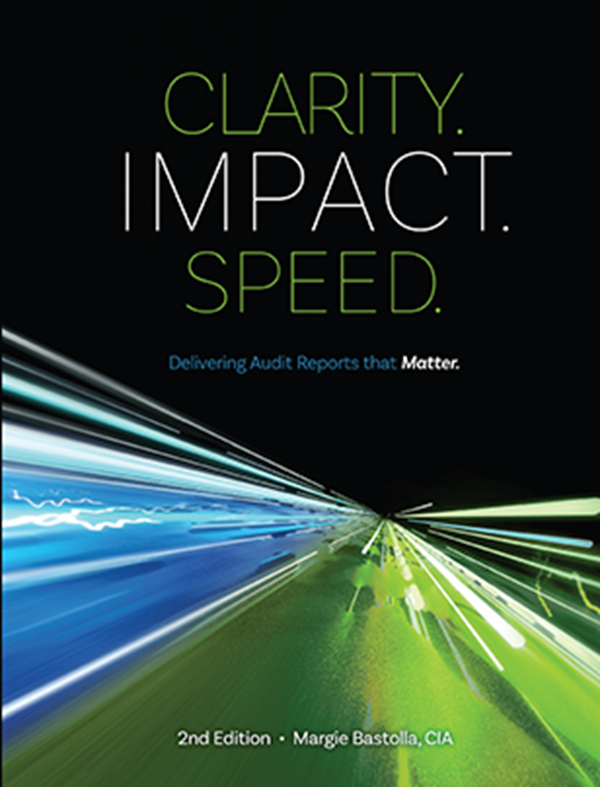
Effective communication transcends merely conveying information; it demands that the message resonates with the audience, prompting them to understand not just what is being said, but why it matters. This critical element is the "So What?" factor – the implicit question every reader or listener poses, consciously or unconsciously, when engaging with content. Addressing this question is fundamental to writing with clarity and impact, ensuring your message is not only understood but also acted upon or remembered.
Understanding Your Audience and Their Needs
The journey to answering the "So What?" begins long before words hit the page: it starts with a deep understanding of your audience. Who are they? What are their existing knowledge levels, concerns, and priorities? What problems are they trying to solve, or what insights are they seeking? By empathizing with your readers, you can tailor your message to their specific context, making it inherently more relevant. A message crafted without the audience in mind risks being perceived as abstract or irrelevant, leaving them wondering why they should invest their time.
Clarity as the Foundation of Impact
Before a message can be impactful, it must first be clear. Ambiguity, jargon, and convoluted sentence structures act as barriers, obscuring the core message and frustrating the reader. To achieve clarity:
- Use Plain Language: Opt for simple, direct words over complex or technical terms where possible. If jargon is unavoidable, ensure it is clearly defined.
- Prioritize Conciseness: Eliminate unnecessary words, phrases, and sentences. Every word should earn its place, contributing to the overall meaning.
- Employ Active Voice: Active voice makes sentences more direct, powerful, and easier to understand, clearly identifying who is performing an action.
- Structure for Readability: Break down complex ideas into shorter paragraphs and sentences. Use headings, subheadings, and bullet points to guide the reader and highlight key information.
Clarity ensures that your audience can easily grasp the what, paving the way for them to understand the why.
Connecting to Value and Relevance
The heart of the "So What?" factor lies in explicitly articulating the value or implications of your message for the reader. This means moving beyond mere description to explain the significance, benefits, or consequences. Consider these questions as you write:
- Why should the reader care about this information? What problem does it solve, or what opportunity does it present?
- What are the implications of this information for them? How does it affect their work, decisions, or understanding?
- What action should they take, or what should they do differently as a result? If no action is required, what new perspective should they gain?
By directly addressing these points, you transform information into insight, making your content immediately relevant and compelling. For instance, instead of merely stating a fact, explain its impact. Instead of describing a process, highlight its efficiency gains. This proactive approach prevents the reader from having to deduce the relevance themselves, which they often won't.
Structuring for Maximum Impact

The organization of your content plays a crucial role in delivering the "So What?" effectively. The "inverted pyramid" style, commonly used in journalism, is highly effective:
- Start with the Conclusion/Main Point: Begin with the most important information, the core "So What?" This immediately captures attention and provides context for everything that follows.
- Provide Supporting Details: Follow with essential details that elaborate on your main point, offering evidence, explanations, or examples.
- Offer Background Information: Conclude with broader context or less critical information that is still relevant but not essential for initial understanding.
This structure ensures that even if a reader only skims the beginning, they still grasp the most critical takeaway. Clear topic sentences for paragraphs and a logical flow between ideas further reinforce the message's impact.
The "So What?" in Revision
The "So What?" factor is not just a drafting principle; it's a critical lens for revision. After drafting, step back and review your work from the perspective of your intended audience. Read each section, paragraph, and even sentence, asking yourself: "So what?"
- Does this information directly contribute to the main message?
- Is its relevance immediately apparent?
- Have I clearly articulated the value or implications for the reader?
- Are there any sections where the reader might get lost or wonder why they are reading it?
Ruthlessly edit out anything that doesn't pass the "So What?" test. If a piece of information, however interesting, doesn't serve the reader's needs or advance your core message, it likely belongs elsewhere or should be removed.
Ultimately, writing with clarity and impact means consistently putting your audience first. By consciously addressing the "So What?" factor throughout your writing process, from conception to revision, you transform your communication from a mere transmission of data into a powerful tool for engagement, understanding, and influence. Your words will not only be heard but truly resonate, leaving a lasting impression and achieving their intended purpose.