

The Healing Power of Giving
In an increasingly demanding world, stress has become an pervasive challenge, impacting mental and physical health. While various coping mechanisms exist, one often overlooked yet profoundly effective strategy is volunteer work. Engaging in service to others not only benefits the recipients but also offers significant advantages to the volunteers themselves, particularly in reducing stress and enhancing overall well-being. This reciprocal relationship highlights volunteering as a powerful pathway to personal resilience and improved mental health.
Psychological and Physiological Benefits
The act of giving triggers a cascade of positive psychological and physiological responses. When individuals volunteer, the brain releases neurochemicals such as dopamine, associated with pleasure and reward, and oxytocin, linked to bonding and trust. This "helper's high" creates a sense of contentment and reduces feelings of anxiety and depression. Furthermore, studies indicate that volunteering can lower cortisol levels, the primary stress hormone, and even improve immune system function. The focus shifts from personal worries to external needs, providing a much-needed mental break from self-absorption and rumination.
Practical Pathways to Stress Reduction
Volunteering offers several tangible mechanisms through which it alleviates stress:
- Distraction and Perspective: Immersing oneself in a volunteer task provides a healthy distraction from personal stressors. By focusing on the needs of others, individuals gain perspective on their own challenges, often realizing that their problems are manageable or less severe than initially perceived.
- Building Social Connections: Loneliness and social isolation are significant contributors to stress. Volunteering inherently fosters new social connections, building a supportive network of like-minded individuals. These interactions combat feelings of isolation and provide a sense of belonging, which is crucial for mental well-being.
- Boosting Self-Esteem and Efficacy: Contributing to a cause larger than oneself instills a profound sense of purpose and accomplishment. Seeing the direct impact of one's efforts boosts self-esteem and self-efficacy, reinforcing the belief in one's ability to make a difference. This positive self-perception is a powerful antidote to stress and feelings of helplessness.
- Promoting Physical Activity: Depending on the nature of the volunteer work, it can involve physical activity, such as walking, lifting, or organizing. Regular physical activity is a well-documented stress reliever, releasing endorphins and improving mood.
- Cultivating Gratitude: Witnessing the struggles of others or the positive impact of collective efforts can foster a deeper sense of gratitude for one's own circumstances. This shift in perspective from what one lacks to what one has can significantly reduce stress and promote a more positive outlook on life.
Cultivating a Culture of Care
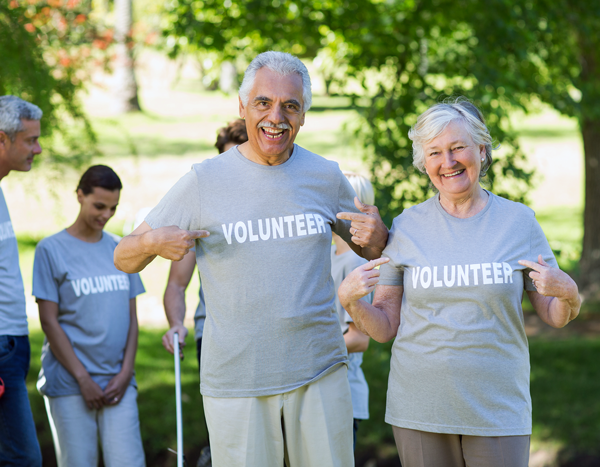
The benefits of volunteering are accessible to everyone, regardless of age, background, or skill set. Opportunities range from environmental conservation and animal welfare to supporting educational programs and assisting the elderly. The key is to find an activity that resonates with personal interests and values, ensuring a fulfilling and sustainable commitment. By embracing volunteerism, individuals not only contribute to the betterment of society but also actively invest in their own mental and emotional health, transforming stress into a sense of purpose and well-being.
Conclusion: A Win-Win for Well-being
Volunteer work stands as a testament to the interconnectedness of human well-being. It is a powerful, accessible, and deeply rewarding strategy for stress reduction. By extending compassion and effort to others, individuals unlock a profound sense of purpose, build meaningful connections, and experience a tangible improvement in their mental and physical health. In a world grappling with rising stress levels, the simple act of giving back offers a profound and sustainable path to personal peace and collective flourishing.