
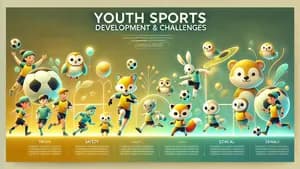
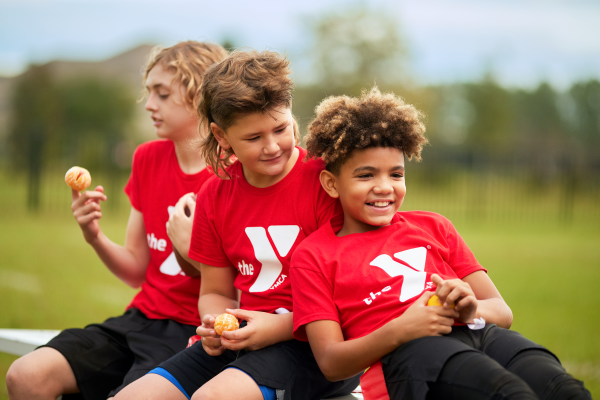
Youth sports play a crucial role in the holistic development of children and adolescents, offering far more than just physical activity. They serve as vital platforms for learning life skills, fostering social connections, building resilience, and promoting overall well-being. At the heart of this experience are the coaches, who, often as volunteers, directly shape the environment, guide skill acquisition, and influence the psychological and social development of young athletes. Their impact extends beyond the scoreboard, influencing a child's self-esteem, work ethic, and long-term engagement with physical activity.
The Pivotal Role of Coaches in Youth Sports
Coaches are the primary facilitators of the youth sports experience. They are responsible for teaching sport-specific skills, organizing practices, and managing games. More profoundly, they act as mentors, role models, and educators, imparting lessons about teamwork, sportsmanship, discipline, and perseverance. A positive coaching experience can ignite a lifelong passion for sport and physical activity, while a negative one can lead to burnout, disengagement, and even early dropout. Given this profound influence, the quality of coaching is paramount to achieving the developmental benefits youth sports promise.
Challenges Faced by Youth Sports Coaches
Despite their critical role, many youth sports coaches operate with limited support and face numerous challenges. A significant portion are volunteers, often parents with a passion for the sport but little formal training in coaching methodologies, child development, or sports psychology. They frequently juggle coaching responsibilities with personal and professional commitments, leading to time constraints. Furthermore, coaches often contend with pressure from parents, club administrators, and even the athletes themselves, all while managing diverse skill levels, motivations, and behavioral needs within a single team. Resource limitations, including access to adequate equipment, facilities, and structured curriculum, further compound these difficulties, making it challenging for coaches to consistently deliver high-quality, developmentally appropriate experiences.
The Direct Link: Coach Support and Athlete Outcomes
The level of support provided to coaches directly correlates with the quality of the youth sports experience and, consequently, with optimal athlete development. When coaches are well-trained, resourced, and supported, they are better equipped to:
- Foster Skill Development: Implement effective drills and strategies tailored to age and ability, promoting both technical and tactical growth.
- Promote Positive Psychological Outcomes: Create an encouraging and safe environment that builds confidence, reduces anxiety, and enhances enjoyment, leading to greater retention and long-term participation.
- Cultivate Social-Emotional Learning: Teach valuable life skills such as teamwork, communication, problem-solving, and resilience through sport.
- Ensure Safety and Well-being: Understand injury prevention, first aid, and safe sport practices, protecting athletes from physical and psychological harm.
- Manage Parental Expectations: Effectively communicate with parents, aligning goals and fostering a collaborative, supportive sideline environment.
Ultimately, investing in coaches translates directly into a more positive, enriching, and developmentally beneficial experience for every young athlete.
Strategies for Empowering Youth Sports Coaches
To unlock the full potential of youth sports, a concerted effort is required to support and empower coaches. This involves a multi-faceted approach addressing their training, resources, community, and recognition.
Comprehensive Training and Education
Providing accessible and relevant training is fundamental. This should extend beyond sport-specific skills to include:
- Coaching Philosophy: Developing a child-centered approach focused on long-term development over short-term wins.
- Child and Adolescent Development: Understanding the physical, cognitive, and emotional stages of young athletes.
- Sports Psychology: Techniques for motivation, managing stress, and building resilience.
- Pedagogy and Practice Planning: Effective teaching methods, drill design, and session structuring.
- First Aid and Injury Prevention: Essential knowledge for athlete safety.
- Safe Sport Principles: Training on preventing abuse, harassment, and bullying, ensuring a safe and inclusive environment for all participants. Online courses, workshops, and certification programs should be readily available and, ideally, subsidized or free for volunteer coaches.
Providing Essential Resources and Administrative Support
Coaches need practical tools and support to focus on coaching. This includes:
- Equipment and Facilities: Ensuring access to appropriate and safe equipment and well-maintained playing spaces.
- Curriculum and Practice Plans: Providing age-appropriate practice guides and drills to reduce preparation time and ensure consistency.
- Communication Tools: Facilitating easy communication with athletes and parents.
- Administrative Relief: Minimizing the administrative burden on coaches by providing support for scheduling, registration, and team management.
Fostering Mentorship and Community
Creating a supportive network for coaches can significantly enhance their development and retention.
- Mentorship Programs: Pairing new or less experienced coaches with seasoned mentors who can offer guidance, share best practices, and provide support.
- Peer Learning Networks: Establishing forums or regular meetings where coaches can share experiences, discuss challenges, and learn from one another.
- Coach Development Workshops: Regular opportunities for continuous learning and skill refinement.
Cultivating a Culture of Appreciation and Recognition
Acknowledging the invaluable contributions of coaches is essential for morale and retention.
- Formal Recognition: Awards, certificates, or public acknowledgment of their dedication and positive impact.
- Informal Appreciation: Encouraging parents, athletes, and club officials to express gratitude regularly.
- Valuing Their Time: Respecting their volunteer commitment and avoiding unnecessary demands.
Educating Parents and Stakeholders
A supportive coaching environment also requires informed and engaged parents. Organizations should provide resources and guidelines for parents on:
- Positive Sideline Behavior: Emphasizing encouragement over criticism.
- Role of the Coach: Respecting coaching decisions and communication protocols.
- Athlete Development: Understanding the long-term goals of youth sports beyond winning.
- Volunteerism: Encouraging parental involvement in supportive roles rather than critical ones.
Conclusion: Investing in Coaches, Investing in Youth
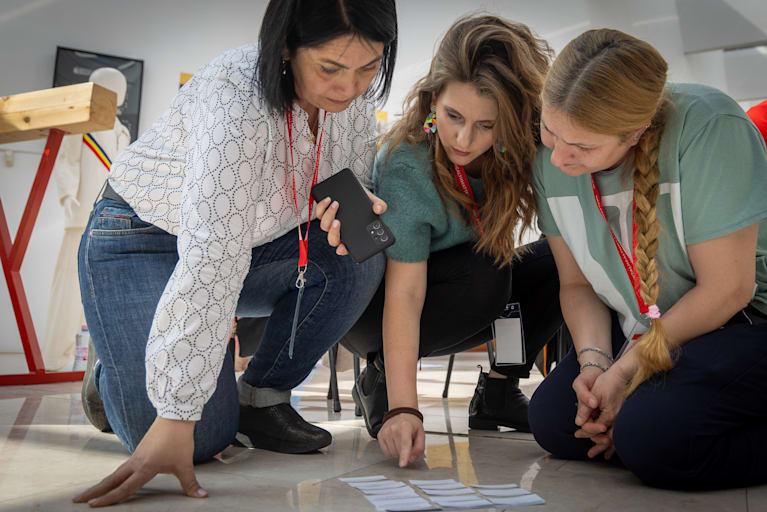
The success of youth sports hinges on the quality and well-being of its coaches. By implementing comprehensive support systems that prioritize training, provide essential resources, foster community, and cultivate a culture of appreciation, organizations can empower coaches to deliver optimal developmental experiences. This investment in coaches is, ultimately, an investment in the physical health, psychological resilience, and social competence of the next generation, ensuring that youth sports remain a powerful force for positive development in communities worldwide.