
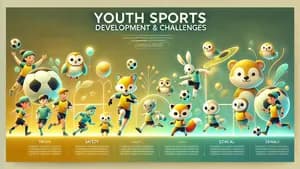
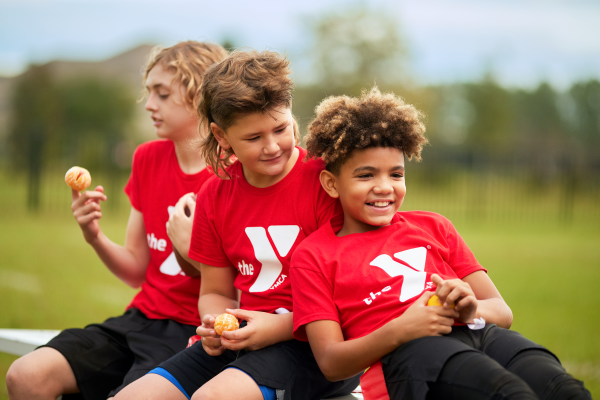
Organized youth sports play a crucial role in the physical, social, and psychological development of children and adolescents. However, a significant challenge arises when young athletes transition out of structured competitive environments. The decline in physical activity levels often observed post-participation in organized sports underscores a critical need to foster a lifelong commitment to movement, rather than merely developing sport-specific skills. This article explores strategies to ensure that the positive habits cultivated in youth sports extend far beyond the final whistle of a competitive season.
The Foundational Benefits of Youth Sports
Participation in organized youth sports offers a multitude of benefits. Beyond enhancing physical fitness, coordination, and motor skills, these programs teach valuable life lessons such as teamwork, discipline, resilience, and sportsmanship. They provide opportunities for social interaction, build self-esteem, and can contribute to improved academic performance and mental well-being. For many, youth sports are their primary introduction to regular physical activity and the joy of movement.
The Challenge of Transition and Disengagement
Despite the initial benefits, a concerning trend reveals a decline in physical activity among adolescents and young adults who cease participation in organized sports. Several factors contribute to this disengagement. Intense pressure to perform, fear of failure, burnout from demanding schedules, and the high cost of elite-level competition can diminish the intrinsic enjoyment of the activity. Furthermore, a singular focus on winning or achieving professional status can overshadow the broader goal of fostering a love for physical activity itself. When the structured environment of practices and games disappears, many young people lack the motivation, skills, or knowledge to maintain an active lifestyle independently.
Strategies for Fostering Lifelong Activity
Shifting Focus from Competition to Enjoyment
To cultivate sustained engagement, the emphasis in youth sports must broaden beyond competitive outcomes. Programs should prioritize fun, personal growth, skill development, and intrinsic motivation. Coaches and parents can encourage a mastery-oriented climate where effort and improvement are celebrated over winning. Introducing diverse activities within a sport, allowing for free play, and reducing the pressure associated with performance can reignite a child's natural inclination to move and play.
Promoting Diverse and Accessible Activities
Limiting physical activity to a single sport can be restrictive. Encouraging young people to explore a wide range of activities – from individual pursuits like cycling, swimming, and hiking to recreational team sports, dance, martial arts, or outdoor adventures – can broaden their interests and skill sets. Communities and schools should offer accessible, low-cost options that cater to varying interests and skill levels, ensuring that financial or logistical barriers do not prevent participation. This diversification helps individuals find activities they genuinely enjoy and can continue throughout their lives.
The Pivotal Role of Stakeholders
Parents, coaches, and community leaders are instrumental in shaping a child's relationship with physical activity. Parents can model active lifestyles, encourage participation without undue pressure, and support exploration of different activities. Coaches should act as mentors, prioritizing holistic development and fostering a positive, inclusive environment. Community organizations and schools can create infrastructure and programs that support recreational play, offer diverse activity options, and provide safe spaces for physical activity beyond formal competitive structures. Collaborations between these groups can build a robust ecosystem that values and promotes lifelong movement.
Long-Term Impact on Health and Well-being
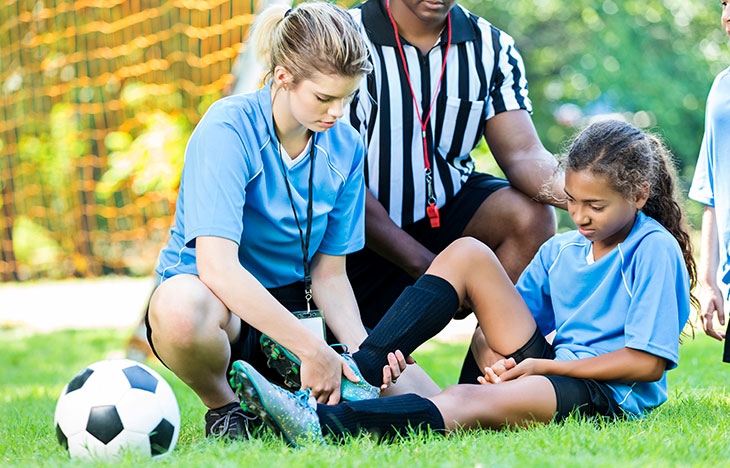
Sustaining physical activity beyond organized competition has profound long-term implications. Regular physical activity is a cornerstone of good health, reducing the risk of chronic diseases, improving mental health, enhancing cognitive function, and promoting overall well-being. By instilling a love for movement in youth, we equip them with a vital tool for managing stress, maintaining a healthy weight, and enjoying a higher quality of life into adulthood. The habits formed in youth can become the foundation for a lifetime of active living.
The ultimate goal of youth sports should extend beyond developing elite athletes; it should be to cultivate active, healthy individuals for life. By shifting the focus from intense competition to enjoyment, promoting diverse and accessible activities, and empowering parents, coaches, and communities to foster a love for movement, we can bridge the gap between organized youth sports and sustained physical activity. This holistic approach ensures that the valuable lessons and physical literacy gained in childhood continue to enrich lives long after the final game is played, contributing to a healthier, more active society.