

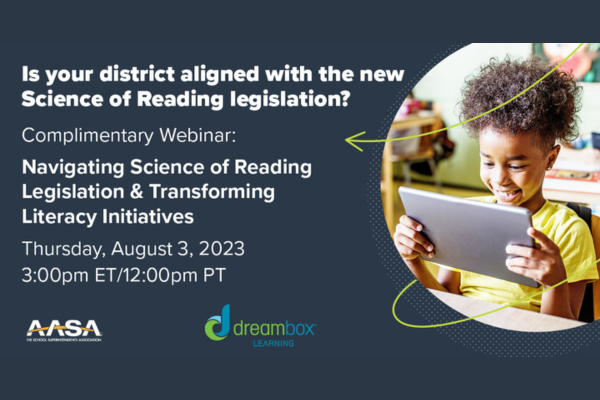
Reading is a foundational skill, essential for education, personal growth, and full participation in society. Yet, for many, the journey through the written word is fraught with obstacles. These challenges can stem from a multitude of sources, impacting individuals across all ages and backgrounds. Understanding these barriers and actively advocating for and supporting readers is paramount to fostering a truly literate and inclusive world.
Understanding the Diverse Landscape of Reading Challenges
Reading difficulties are not monolithic; they manifest in various forms, each requiring specific attention and tailored solutions.
- Cognitive and Learning Differences: Conditions such as dyslexia, ADHD, and visual processing disorders directly impede an individual's ability to decode, comprehend, or sustain focus on text. These neurological differences often require specialized instructional approaches and assistive technologies.
- Environmental and Socioeconomic Barriers: Access to books, quiet reading spaces, and a literacy-rich home environment are not universal. Poverty, lack of parental literacy, and geographical isolation can severely limit opportunities for reading practice and development, creating a significant disadvantage.
- Motivational and Engagement Issues: A lack of interest, perceived difficulty, or the overwhelming presence of digital distractions can diminish a reader's motivation. If reading is seen as a chore rather than a pleasure, engagement wanes, hindering progress.
- Language Acquisition Challenges: For individuals learning a new language, reading in that language presents an additional layer of complexity, requiring extensive vocabulary building, grammatical understanding, and cultural context.
- Technological Accessibility Gaps: While technology offers solutions, the digital divide can exclude those without access to necessary devices, internet connectivity, or the skills to utilize assistive reading software.
The Indispensable Role of Advocacy
Advocacy for readers means actively championing their rights and needs, ensuring that barriers are identified and systematically dismantled. It involves speaking up for policies, resources, and practices that promote literacy for all.
- Raising Awareness: Advocacy brings reading challenges into public discourse, reducing stigma and fostering empathy. It educates communities about the diverse nature of reading difficulties and the importance of early intervention.
- Influencing Policy and Funding: Advocates work to secure funding for literacy programs, ensure libraries are well-resourced, and push for educational policies that support differentiated instruction and universal design for learning.
- Promoting Accessible Resources: This includes campaigning for the production and distribution of diverse, culturally relevant, and accessible reading materials in various formats, including large print, audio, and braille.
- Empowering Readers: Advocacy also means empowering readers themselves to articulate their needs and participate in the solutions that affect them, fostering self-advocacy skills.
Practical Forms of Support for Readers

Effective support for readers is multi-faceted, drawing on educational, technological, community, and policy-level interventions.
- Educational Interventions: Schools play a critical role through early literacy screening, individualized education plans (IEPs), specialized reading instruction, and the provision of literacy coaches. Differentiated instruction ensures that teaching methods are adapted to meet diverse learning styles and needs.
- Assistive Technologies: Tools such as text-to-speech software, audiobooks, e-readers with customizable fonts and backgrounds, and dictation software can significantly aid readers with cognitive or visual impairments, making text more accessible.
- Community and Family Engagement: Libraries offer invaluable resources, including reading programs, literacy workshops for families, and access to a wide array of materials. Family literacy initiatives encourage parents to read with their children, fostering a love for books from an early age. Peer support groups can also provide encouragement and shared strategies.
- Creating Engaging Environments: Beyond formal instruction, fostering a culture where reading is valued and enjoyable is crucial. This involves providing diverse and high-interest books, creating comfortable reading spaces, and encouraging reading for pleasure.
- Policy and Infrastructure: Government initiatives, public library funding, and mandates for accessible educational materials are foundational. Policies that address the digital divide and ensure equitable access to technology are also vital.
Cultivating Inclusive Reading Ecosystems
Ultimately, navigating reading challenges with support requires a holistic, collaborative approach. It demands that educators, librarians, policymakers, parents, and community leaders work in concert to build inclusive reading ecosystems. These environments prioritize empathy, understanding, and a commitment to providing every individual with the tools and opportunities they need to become confident, lifelong readers. By actively advocating for and implementing comprehensive support systems, we can ensure that the transformative power of reading is truly accessible to all, unlocking potential and enriching lives across the globe.