

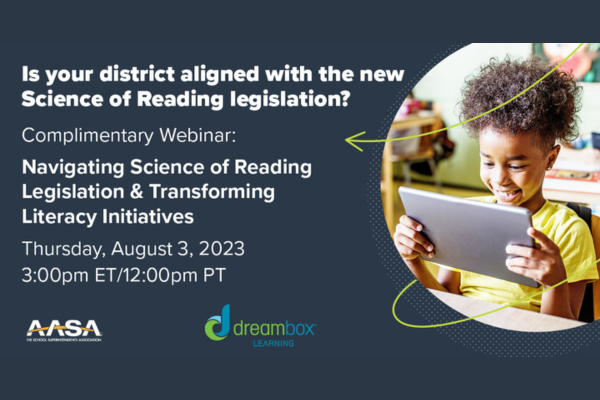
Reading is a cornerstone of learning, critical for academic success, personal development, and navigating the complexities of the modern world. Yet, many children encounter challenges with reading, ranging from disinterest to genuine difficulty. While schools play a vital role, the home environment, particularly parental modeling, offers a powerful and often underestimated influence in shaping a child's relationship with books and literacy.
The Profound Impact of Parental Modeling
Children are keen observers, and their earliest lessons about the world are often learned by watching their parents. When it comes to reading, parental modeling extends beyond simply encouraging a child to pick up a book; it involves demonstrating the value, pleasure, and utility of reading through personal example. A parent who is seen reading for enjoyment, to learn, or to accomplish a task sends a clear, consistent message: reading is an integral and rewarding part of life. This direct observation helps children internalize reading as a meaningful activity, rather than just a school-assigned chore.
Understanding Common Reading Hurdles
Before effective modeling can take place, it's helpful for parents to understand the common obstacles children face. Some children may struggle with decoding words, while others might grasp the mechanics but lack comprehension. Disinterest is another frequent challenge, often stemming from a perception that reading is boring or difficult, especially when competing with the instant gratification of digital media. Additionally, a lack of a supportive reading environment at home can exacerbate these issues, making it harder for children to develop a positive association with books.
Practical Strategies for Effective Parental Modeling
Parents can integrate several actionable strategies into daily life to model positive reading behaviors and help children overcome challenges:
Be a Visible Reader
Let your children see you reading. Whether it's a novel, a newspaper, a recipe, or instructions for assembling furniture, make your reading visible and audible. Talk about what you're reading, share interesting facts, or explain how reading helps you achieve a goal. This demonstrates that reading is a purposeful and enjoyable activity for adults, not just a task for children.
Create a Reading-Rich Environment
Ensure books and other reading materials are readily available and accessible throughout your home. Designate a comfortable reading nook, make regular trips to the library a family outing, and allow children to choose books that genuinely interest them, even if they seem "too easy" or "too silly." The goal is to foster a positive association with books.
Read Aloud Regularly
Reading aloud to children, even those who can read independently, offers numerous benefits. It models fluent reading, expressive interpretation, and exposes them to vocabulary and sentence structures beyond their current reading level. It also creates a shared, intimate experience that strengthens bonds and associates reading with comfort and connection. Discuss the story, ask open-ended questions, and encourage predictions.
Integrate Reading into Daily Life
Show how reading is essential for everyday tasks. Read street signs, grocery lists, menus, or game instructions together. This demonstrates the practical application of literacy and helps children understand that reading is a functional skill that empowers them in the real world, not just an academic exercise.
Foster a Positive and Patient Approach
Avoid turning reading into a battleground. If a child is struggling, offer support without judgment. Celebrate small victories, acknowledge effort, and choose books that are appropriately challenging but not overwhelming. Remember that reading development is a journey, and patience is key. If a child expresses disinterest in a particular book, allow them to choose another. The goal is engagement, not completion of a specific text.
Beyond Modeling: When to Seek Additional Support

While parental modeling is incredibly powerful, it's also important to recognize when a child might need more specialized support. If a child consistently struggles with basic decoding, comprehension, or shows significant resistance to reading despite consistent parental efforts, it may be beneficial to consult with their teacher, a reading specialist, or a pediatrician. Early intervention can make a substantial difference in addressing underlying learning differences. Parental modeling complements, but does not replace, professional guidance when specific learning challenges are present.
Conclusion
Parental modeling is an invaluable tool in navigating reading challenges at home. By actively demonstrating the joy, utility, and importance of reading, parents can cultivate a lifelong love of books and learning in their children. It requires consistency, patience, and a genuine commitment to making reading a visible and cherished part of family life. Through these efforts, parents not only help their children overcome immediate reading hurdles but also equip them with essential literacy skills that will serve them throughout their lives.