

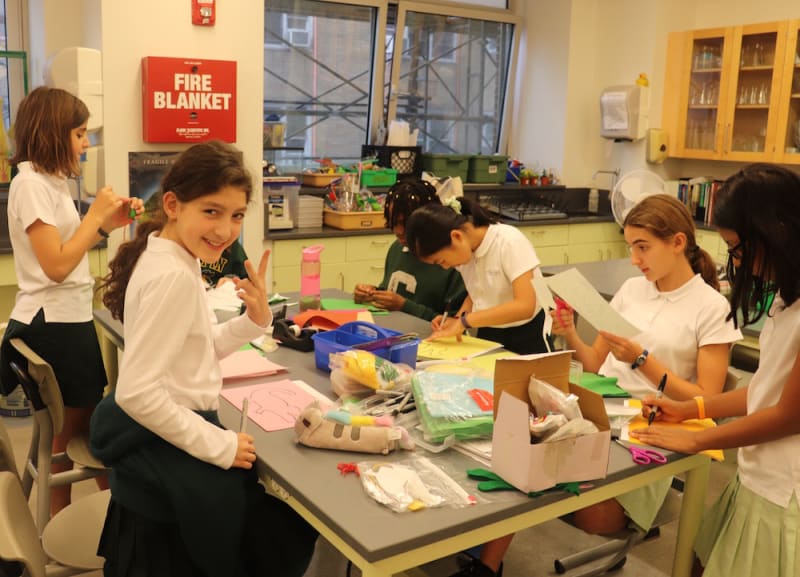
Collective agency, the capacity of a group to act in concert to achieve a common goal, is a cornerstone of a thriving community. Within the educational landscape, school clubs emerge as powerful incubators for this agency, transforming students from passive recipients of education into active architects of their environment. Far from being mere extracurricular pastimes, these clubs provide the essential structure, shared purpose, and skill development necessary for students to collectively identify needs and implement solutions within their school community, thereby fostering a culture of proactive engagement and shared responsibility.
Fostering Collective Identity and Shared Purpose
At their core, school clubs unite students around common interests, whether academic, artistic, athletic, or service-oriented. This shared passion naturally cultivates a collective identity, moving individuals beyond their personal pursuits to embrace a group ethos. For instance, an environmental club brings together students concerned about sustainability, while a debate club unites those passionate about critical thinking and public discourse. This shared identity quickly translates into a collective purpose: to advance their specific interest or to address a related issue within the school. Regular meetings, collaborative planning sessions, and joint projects solidify these bonds, transforming individual aspirations into a unified vision for community improvement. This process is fundamental to building the social cohesion required for effective collective action.
Developing Leadership and Organizational Skills
Beyond fostering a sense of belonging, school clubs serve as invaluable training grounds for practical leadership and organizational skills. Students often assume various roles within their clubs, such as president, secretary, treasurer, or project lead, providing them with hands-on experience in governance and management. In these capacities, they learn to plan events, manage budgets, delegate tasks, communicate effectively with peers and faculty, and navigate group dynamics to resolve conflicts. These are not theoretical lessons but practical applications, where success or failure directly impacts the club's objectives. The iterative process of conceiving an idea, planning its execution, mobilizing resources, and evaluating outcomes equips students with the competencies essential for orchestrating complex initiatives, both within the school and in their future civic lives.
Translating Ideas into Action

The true power of collective agency within school clubs lies in their ability to translate shared ideas and developed skills into tangible community action. Clubs often begin by identifying problems or opportunities within the school environment through discussions, observations, or even informal surveys. For example, a service club might notice a need for school beautification, or a student council might identify a desire for more inclusive social events. Once a need is identified, the club strategizes and plans solutions, brainstorming ideas, writing proposals, allocating resources, and assigning responsibilities. This structured approach allows them to move beyond mere discussion to concrete implementation. Examples abound: an environmental club might organize a campus-wide recycling program, a drama club could host a performance to raise awareness for a social issue, or a peer tutoring club might establish a support system for struggling students. Each project, regardless of its scale, represents a deliberate act of collective will aimed at improving the school community.
Impact on the School Community
The impact of student-led collective action through school clubs extends far beyond the immediate outcomes of individual projects. Tangible benefits might include improved facilities, the introduction of new programs, increased awareness of critical issues, or a more inclusive and supportive environment. However, the intangible benefits are equally profound. Clubs foster increased student engagement and a deeper sense of ownership over their school. They cultivate civic responsibility, encouraging students to see themselves as active citizens capable of initiating positive change. By providing a legitimate platform for student voice, clubs empower young people to advocate for their needs and contribute meaningfully to decisions that affect them. Ultimately, these actions contribute to a more vibrant, responsive, and positive school culture, where students feel valued, connected, and capable of making a difference.
Challenges and Opportunities
While the benefits are clear, school clubs also face challenges, including resource limitations (time, funding, faculty advisors), maintaining consistent student engagement, and navigating administrative processes. However, these challenges also present opportunities for growth and innovation. Strong administrative support can amplify a club's impact, while collaboration between different clubs can lead to larger, more ambitious projects. Mentorship from faculty and community members can provide invaluable guidance and resources, further empowering students to overcome obstacles and achieve their goals.
In conclusion, school clubs are far more than extracurricular diversions; they are vital engines for collective agency within the educational setting. By fostering a shared identity, developing crucial leadership and organizational skills, and providing a structured platform for action, these clubs empower students to identify needs, strategize solutions, and implement meaningful changes within their school community. The lasting benefits extend to both the students, who gain invaluable personal growth and civic engagement experience, and the school community, which becomes a more dynamic, responsive, and inclusive environment. Investing in and supporting school clubs is, therefore, an investment in the future of active, engaged, and empowered citizens.