

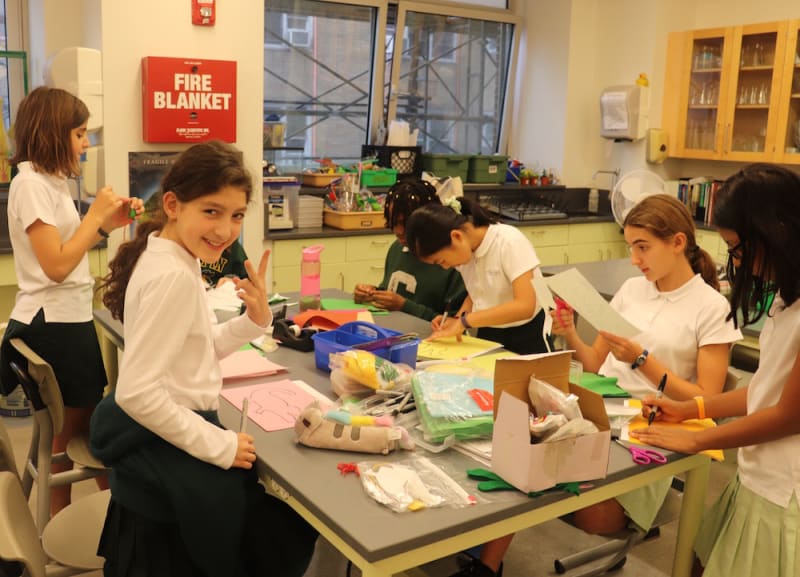
School clubs are often perceived as mere extracurricular activities, offering students a chance to pursue hobbies or deepen academic interests. However, their impact extends far beyond individual skill development, serving as crucial crucibles where students confront shared challenges, cultivate empathy, and forge robust community bonds. These informal yet structured environments provide a unique space for students to connect on a deeper level, transforming individual experiences into collective understanding and action.
Beyond the Classroom: A Space for Connection and Growth
While academic pursuits form the bedrock of education, school clubs offer a vital complement, providing avenues for students to explore passions, develop leadership skills, and engage in collaborative projects outside the traditional curriculum. From debate teams and environmental groups to cultural associations and volunteer organizations, clubs cater to a diverse array of interests. This diversity itself is a strength, drawing together students from various backgrounds who might not otherwise interact, laying the groundwork for a more inclusive school community. In these settings, students often find a sense of belonging and purpose that can be elusive in larger, more formal classroom environments.
Identifying and Addressing Shared Challenges
A key function of school clubs is their organic ability to surface and address shared challenges. These challenges can range from academic pressures and social anxieties to broader issues like environmental sustainability, social justice, or mental health awareness. For instance, a peer support club might tackle the stress of exams, while a community service club might address local homelessness. Through open dialogue, brainstorming sessions, and collaborative project planning, students realize they are not alone in their struggles or concerns. This recognition of common ground is the first step towards building empathy. When students work together to understand a problem, they naturally begin to appreciate the diverse perspectives and experiences of their peers, moving beyond individualistic viewpoints to a collective understanding.
Cultivating Empathy Through Collaborative Action

The process of working together on shared challenges is inherently empathetic. As students collaborate, they learn to listen actively, negotiate differences, and support one another through successes and setbacks. A student struggling with public speaking might find encouragement in a debate club, while another grappling with social isolation might find acceptance in a gaming club. These interactions foster a deeper understanding of others' feelings, motivations, and vulnerabilities. When a club collectively plans a fundraiser for a cause, for example, members not only learn about the issue but also experience the emotional impact of their efforts, strengthening their capacity for compassion. This shared experience of striving towards a common goal, overcoming obstacles together, and celebrating joint achievements solidifies empathetic connections that transcend superficial acquaintances.
Forging Lasting Community Bonds
The empathetic bonds forged within school clubs extend beyond the club's immediate activities, contributing significantly to the overall school community. Students who have learned to understand and support each other in a club setting are more likely to carry that empathy into their daily interactions, fostering a more inclusive and supportive school environment. These relationships often evolve into lasting friendships, creating a robust social network that can provide crucial support during the formative years of adolescence. Moreover, the collaborative skills and empathetic understanding developed in clubs prepare students for active and responsible citizenship, equipping them to engage with and contribute positively to broader societal challenges.
In conclusion, school clubs are far more than just extracurricular pastimes; they are vital institutions for social and emotional development. By providing platforms where students can identify and address shared challenges, clubs cultivate a profound sense of empathy and belonging. This process not only enriches the individual student experience but also strengthens the fabric of the entire school community, preparing young people to navigate a complex world with greater understanding, compassion, and a commitment to collective well-being.