


A school is more than just a collection of classrooms; it is a vibrant community where students, educators, and staff share a common space and purpose. Fostering a sense of "shared stewardship" within this community—the collective responsibility for its well-being and improvement—is paramount for creating a positive and thriving environment. While formal curricula play a role, it is often the dynamic and diverse landscape of school clubs that most effectively nurtures this crucial sense of community care among students.
Cultivating Responsibility and Ownership
School clubs provide unique platforms for students to take active roles and develop a profound sense of ownership. Unlike passive learning, club activities demand direct engagement, from organizing events and managing resources to leading discussions and making decisions. Whether it's a debate club planning a tournament, an environmental club maintaining a school garden, or a drama club producing a play, students are entrusted with tangible responsibilities. This hands-on experience instills accountability and demonstrates the direct impact of their efforts, fostering a personal investment in the club's, and by extension, the school's success.
Fostering Collaboration and Empathy
Working towards a common goal within a club setting inherently promotes collaboration. Students from diverse backgrounds and with varying skill sets must learn to communicate effectively, negotiate differences, and support one another. This collaborative process builds essential social skills and cultivates empathy as members learn to understand and appreciate different perspectives. When students collectively overcome challenges or celebrate achievements, they forge strong bonds and develop a shared sense of purpose that extends beyond individual interests, reinforcing the idea that collective effort benefits everyone.
Building a Sense of Belonging
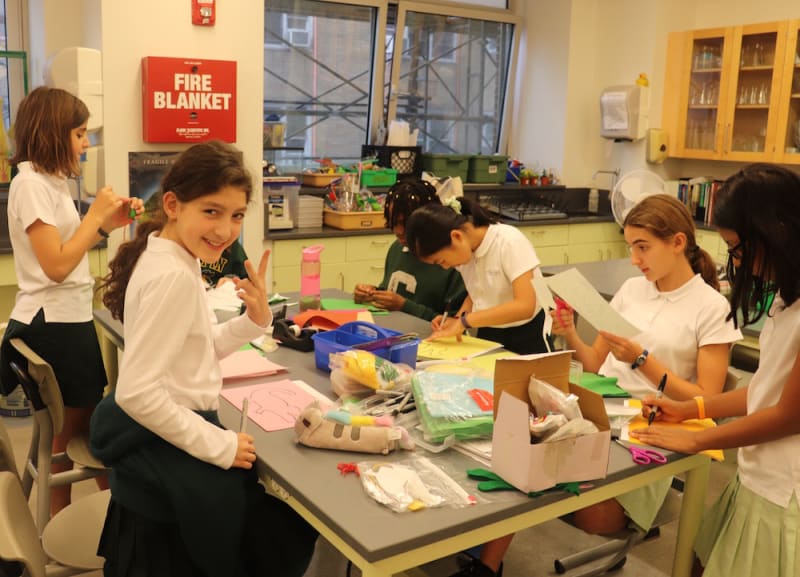
For many students, school clubs serve as vital micro-communities where they can connect with like-minded peers who share their passions. These smaller, more intimate groups offer a sense of belonging that can be crucial for student well-being, especially in larger school environments. Feeling accepted and valued within a club can significantly reduce feelings of isolation and enhance overall engagement with school life. This strong sense of belonging within a club often translates into a broader commitment to the welfare of the entire school community, as students become more invested in maintaining a positive environment for themselves and their peers.
Empowering Student Voice and Action
Clubs empower students to be active agents of change rather than passive recipients of education. They provide avenues for students to voice their opinions, initiate projects, and implement solutions to issues they care about. A student council advocating for school policy changes, a social justice club raising awareness for global issues, or a robotics club innovating new designs—all demonstrate the power of student-led initiatives. This empowerment reinforces the idea that students' contributions are valuable and can make a tangible difference, strengthening their belief in their capacity to shape their immediate environment.
Extending Care Beyond the Classroom Walls
Many school clubs naturally extend their activities beyond the immediate school grounds, engaging in community service, outreach programs, or advocacy efforts. Environmental clubs might organize local clean-ups, volunteer clubs might support local charities, and cultural clubs might host events that invite community participation. These activities broaden students' understanding of "community care" to encompass the wider world, demonstrating that shared stewardship is a principle applicable at multiple scales. By connecting their school experiences to broader societal needs, students develop a more holistic sense of responsibility and civic engagement.
Conclusion
School clubs are far more than mere extracurricular activities; they are fundamental pillars in nurturing shared stewardship and community care within educational institutions. By providing opportunities for responsibility, fostering collaboration and empathy, building a sense of belonging, empowering student voice, and extending care beyond the classroom, clubs equip students with the skills and mindset necessary to be active, engaged, and caring members of their school and the wider world. Investing in and supporting a diverse range of school clubs is, therefore, an investment in the very fabric of a healthy, vibrant, and responsible school community.